WLAN switch
A universal switch controlled through a wireless WLAN connection.
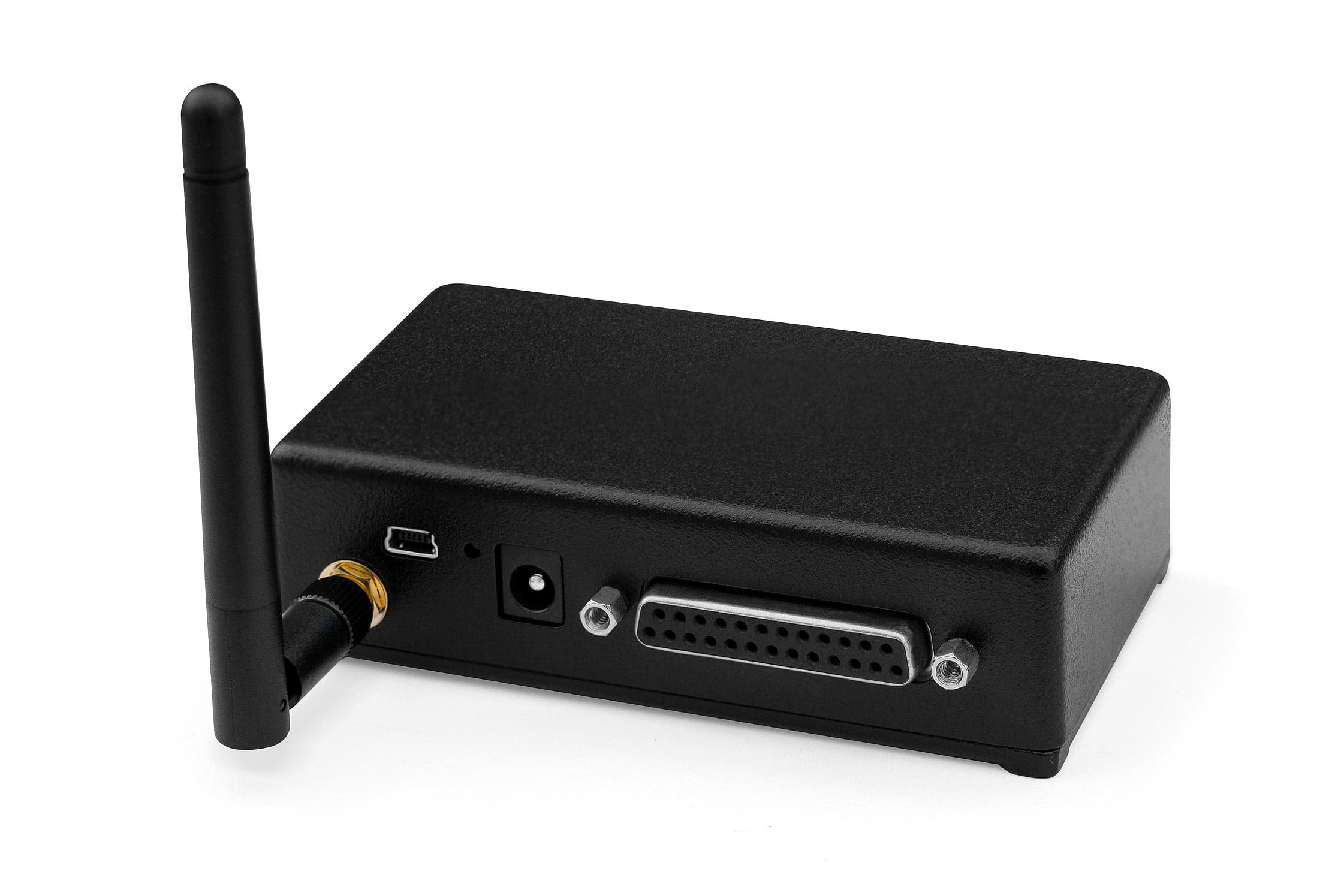
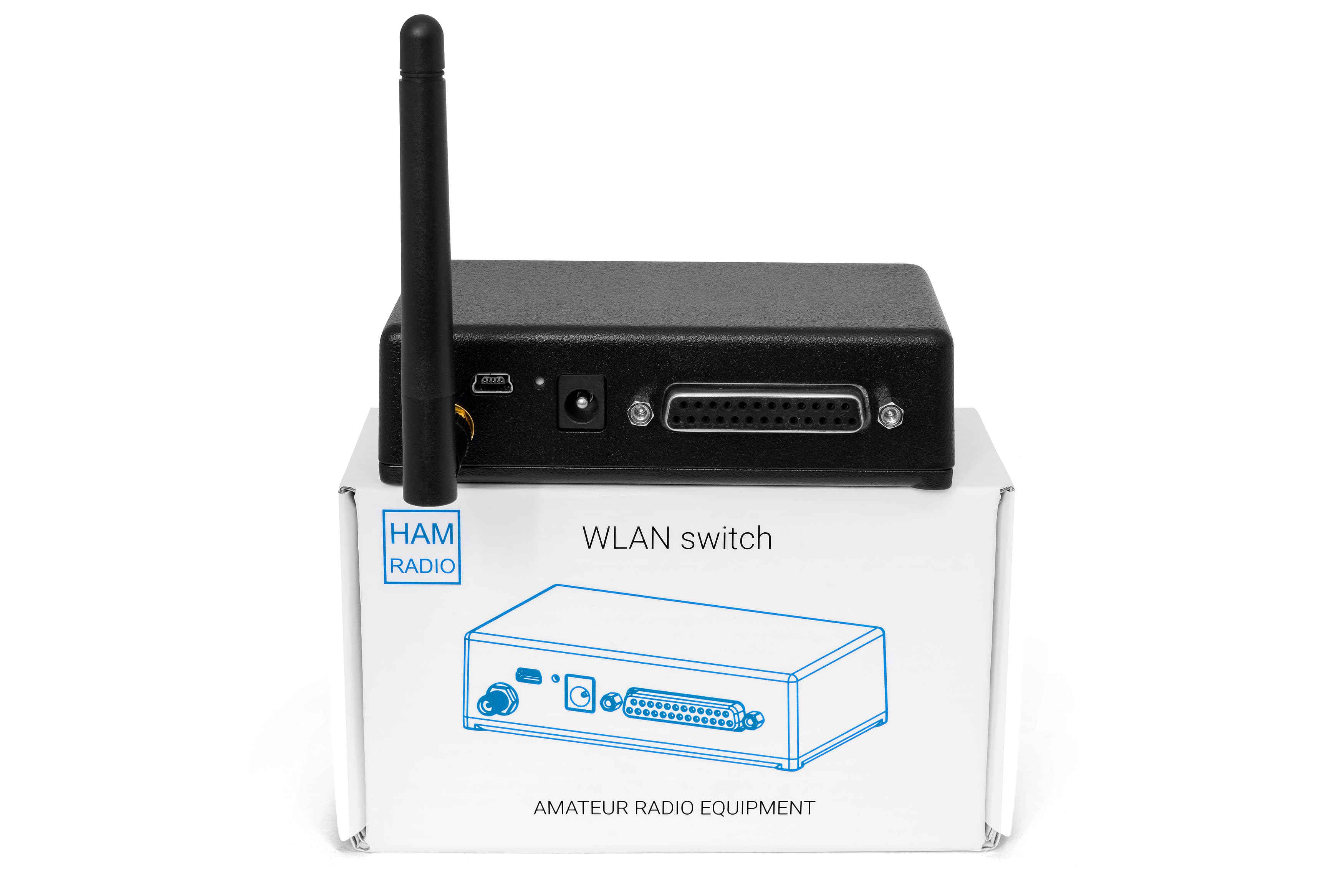
Sometimes it's hard or even impossible to run a complicated cable system when you build a "smart house", setting up automated manufacturing, or just tired of cables. To solve this task you can use a universal wireless switch, which utilizes a radio channel as a connecting link.
Using the widely supported WLAN 802.11 b/g/n standard allows the WLAN switch to be incorporated into existing local and wireless networks through WLAN routers. To get started, connect power and configure the WLAN connection to the controlling device or your site's wireless network.
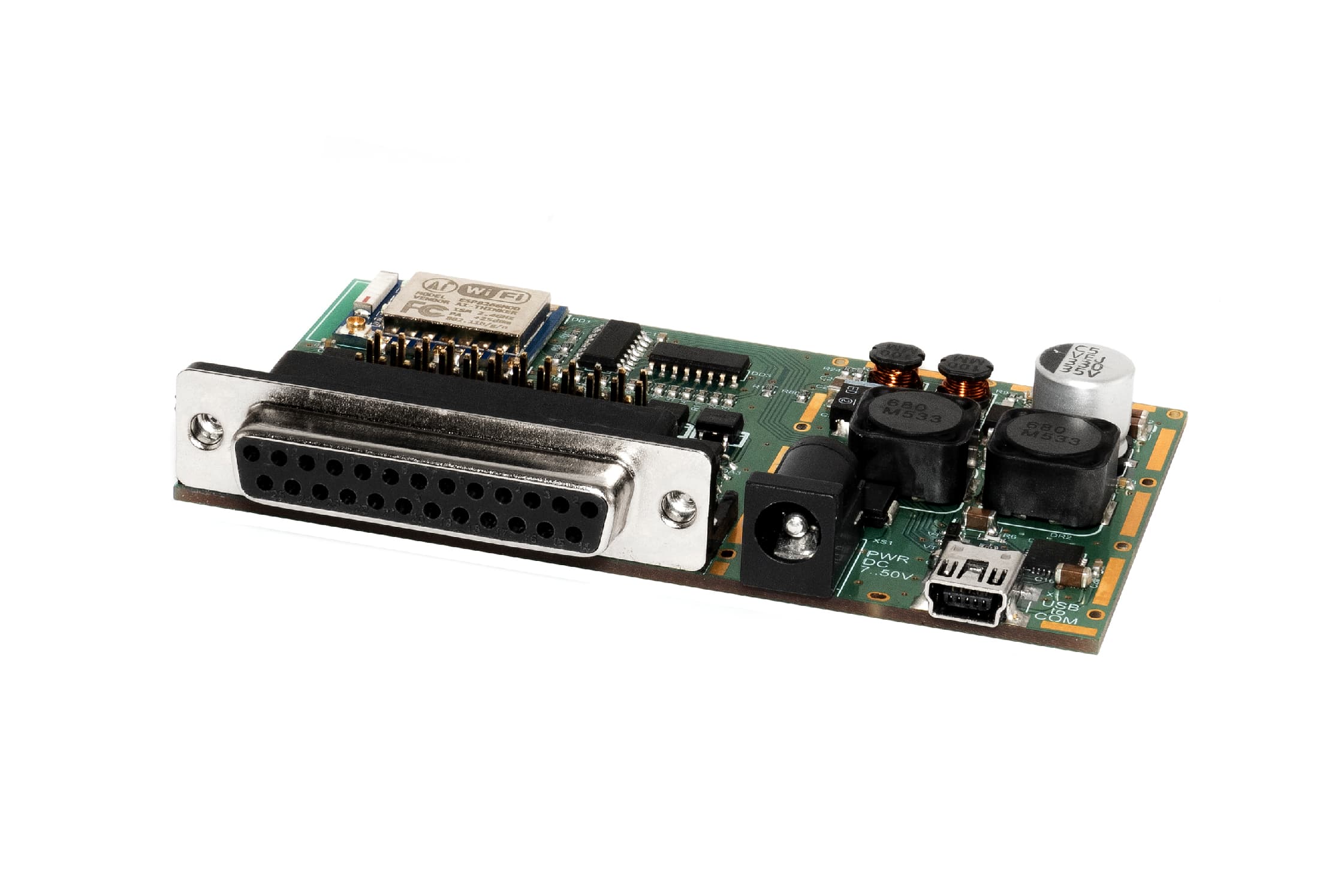
The WLAN switch is based on the widely used miniature ESP‑07E WLAN module, combining an open architecture, ease of use and the ability to program the module's firmware yourself.
The WLAN switch consists of a miniature WLAN module with an external antenna, a voltage regulator and galvanically isolated control switches based on opto-relays.
Main capabilities:
Remote control of external DC circuits with voltages up to 100 V and currents up to 300 mA.
Connection of up to 12 controlled circuits.
Several ways to control the load: closing a normally open switch contact pair, applying supply voltage relative to the switch enclosure, or connecting the switch contacts to the enclosure.
Use of several WLAN switches in the same system or network.
WLAN module firmware updates through the built-in USB-to-COM converter.
Operation over a wide supply-voltage range: 8–20 V DC or 12–20 V AC.
A convenient web interface for controlling the WLAN switch.
The switch PCB is coated with several layers of clear protective plastic during manufacture to protect it against moisture, corrosion and similar effects.